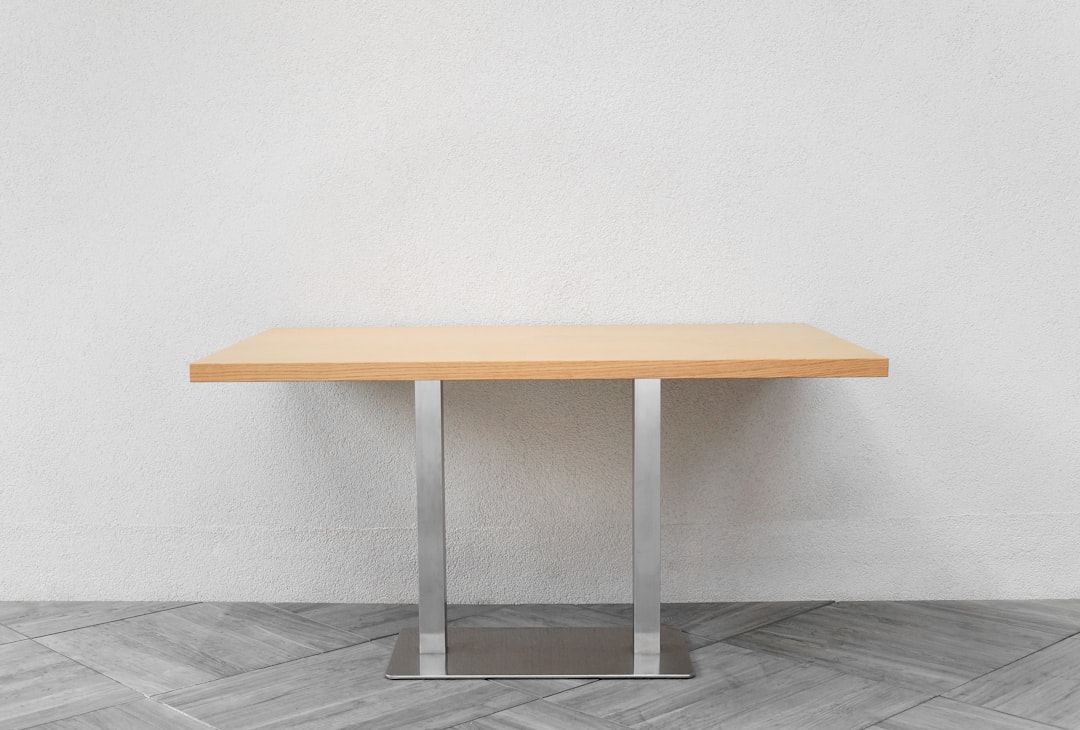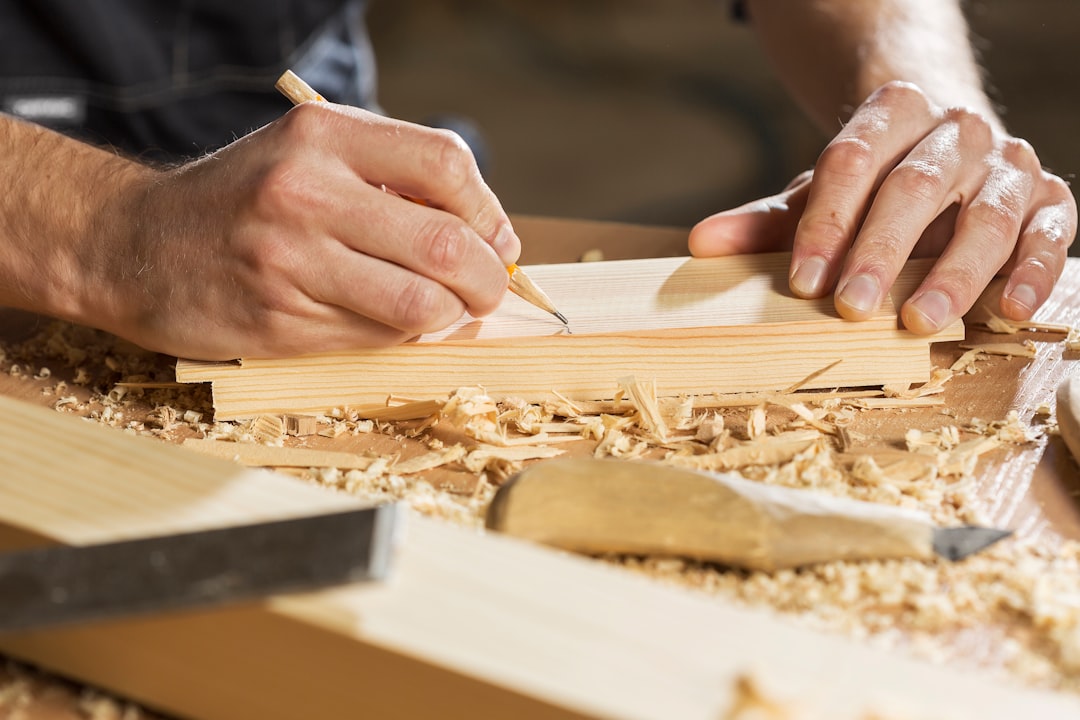
When you invest in handcrafted furniture from Bilelia, you're acquiring more than beautiful pieces for your home—you're becoming the custodian of furniture designed to last for generations. Proper care and maintenance ensure that your bespoke pieces retain their beauty and structural integrity for decades to come.
Unlike mass-produced furniture, handcrafted pieces are built with traditional techniques and quality materials that actually improve with age when properly maintained. The patina that develops on well-cared-for furniture adds character and depth that cannot be replicated in new pieces. This guide shares the knowledge we've accumulated through years of crafting and restoring fine furniture.
Understanding Your Furniture's Finish
The first step in proper furniture care is understanding the finish applied to your piece. Different finishes require different maintenance approaches, and using the wrong products can damage even the finest craftsmanship.
At Bilelia, we primarily use three types of finishes: oil finishes, wax finishes, and lacquer finishes. Oil finishes, such as Danish oil or tung oil, penetrate the wood fibers and cure within the wood itself. These finishes enhance the wood's natural beauty while providing moderate protection. Wax finishes create a soft, traditional luster and offer good protection for furniture that doesn't receive heavy use. Lacquer finishes provide a durable, protective coating that's ideal for tables, desks, and other high-use surfaces.
When we deliver your furniture, we always specify which finish we've applied and provide specific care instructions. If you've inherited or purchased a piece and are unsure of its finish, bring it to our workshop for assessment—we're happy to help identify the finish and recommend appropriate care.
Daily and Weekly Maintenance
The foundation of furniture care is simple, consistent maintenance. Daily attention prevents the accumulation of dust and grime that can dull finishes and hide the wood's natural beauty.
For routine dusting, use a soft, lint-free cloth—microfiber cloths work exceptionally well. Dust with the grain of the wood, using light pressure to avoid scratching the finish. Never use feather dusters, which can scratch finishes and simply redistribute dust rather than removing it.
Weekly, go beyond simple dusting with a slightly dampened cloth to remove any built-up residue. The cloth should be barely damp—excess water can damage wood finishes and raise the grain. Immediately follow with a dry cloth to remove any moisture. This simple routine keeps furniture looking fresh and prevents dirt from becoming embedded in the finish.
Cleaning Spills and Stains
Accidents happen, and prompt response makes all the difference. When liquid spills on your furniture, blot it immediately with an absorbent cloth—never wipe, which can spread the spill and potentially damage the finish. Work from the outside of the spill toward the center to prevent spreading.
For water rings and spots, try buffing gently with a soft cloth. If rings persist, apply a small amount of furniture paste wax and buff in the direction of the grain. More stubborn marks may require professional attention—contact us before attempting aggressive treatments that might damage the finish.
Sticky residue from tape, labels, or spilled food requires careful removal. Apply a small amount of mineral spirits to a cloth (never directly to the furniture) and gently rub the affected area. Test this method in an inconspicuous spot first to ensure it doesn't damage your particular finish.
Protecting Against Environmental Damage
Wood is a natural material that responds to its environment. Understanding and controlling environmental factors protects your furniture from damage and ensures its longevity.
Direct sunlight is one of furniture's greatest enemies. Ultraviolet rays fade and discolor wood, creating uneven patinas and weakening finishes. Position furniture away from windows that receive direct sunlight, or use curtains and blinds during peak sun hours. If you notice fading, rearrange decorative items periodically to allow the wood to age evenly.
Temperature and humidity fluctuations cause wood to expand and contract, potentially leading to cracks, warping, and joint failure. Maintain consistent indoor conditions—ideally between 40-60% relative humidity and 18-24°C (65-75°F). In dry winter months, use humidifiers to prevent excessive shrinkage. In humid summers, dehumidifiers prevent swelling and mold growth.
Heat damage from cups, plates, and serving dishes can leave permanent marks on furniture. Always use coasters under glasses, trivets under hot dishes, and placemats under plates. These simple precautions prevent the heat rings and water marks that mar otherwise pristine surfaces.
Seasonal Deep Cleaning and Maintenance
Beyond daily and weekly care, furniture benefits from thorough seasonal maintenance. We recommend deep cleaning and conditioning your pieces twice yearly—typically in spring and autumn when humidity levels stabilize.
Begin deep cleaning by removing all items from the furniture. Dust thoroughly, including often-neglected areas like backs, undersides, and inside drawers. Check for loose joints, sticky drawers, or other issues that might need professional attention.
For oil-finished furniture, apply a fresh coat of the appropriate oil every six to twelve months. This replenishes the protective layer and enhances the wood's appearance. Apply oil sparingly with a soft cloth, working with the grain. Allow it to penetrate for 15-20 minutes, then buff away any excess. Too much oil left on the surface can become sticky and attract dust.
Wax-finished pieces benefit from fresh wax applications once or twice yearly. Use high-quality furniture paste wax, applying it in thin layers with a soft cloth or fine steel wool. Allow the wax to haze over, then buff to a soft sheen with a clean cloth. Multiple thin coats provide better protection than one thick application.
Lacquer finishes generally require less maintenance but benefit from occasional cleaning with specialized lacquer cleaners. These products remove built-up grime without damaging the finish. Follow with a furniture polish designed for lacquered surfaces to restore luster.
Caring for Hardware and Decorative Elements
The hinges, handles, and decorative metalwork on furniture require their own maintenance regimen. Brass hardware develops a natural patina over time—some people cherish this aged appearance, while others prefer keeping brass bright and polished.
To maintain polished brass, use a quality brass cleaner and soft cloth. Remove hardware if possible to avoid getting cleaner on wood surfaces. For in-place cleaning, mask surrounding wood with painter's tape. After polishing, apply a thin coat of paste wax to slow tarnishing.
If you prefer the patinated look, simply dust hardware regularly and leave the natural aging process alone. Never use harsh chemicals or abrasive cleaners that can scratch or damage metal surfaces.
Hinges and drawer slides benefit from occasional lubrication. Use a dry lubricant like graphite powder or a tiny amount of furniture wax—never oil, which attracts dust and can stain wood. Apply lubricant sparingly and wipe away any excess.
Addressing Minor Damage
Even with excellent care, furniture may develop minor scratches, dents, or finish wear over time. Many small issues can be addressed at home, though significant damage warrants professional restoration.
Shallow scratches often respond to simple treatments. For oil or wax finishes, apply additional finish directly to the scratch and buff gently. The scratch may darken slightly as it fills with finish, but it will become less noticeable. Wax sticks in various wood tones can fill slightly deeper scratches—choose a color slightly lighter than your wood, as these products darken with time.
Small dents sometimes respond to moisture and heat. Place a damp cloth over the dent and apply a warm (not hot) iron for a few seconds. The steam may cause the compressed wood fibers to swell back to their original position. This technique works best on raw or oil-finished wood and may damage lacquer or varnish finishes.
For significant damage—deep scratches, gouges, finish failure, or structural issues—contact Bilelia for professional restoration. Attempting complex repairs yourself can worsen damage and reduce the furniture's value. Our restoration services can address almost any issue, returning your furniture to its original glory.
Special Considerations for Different Furniture Types
Different furniture pieces face unique challenges and require specialized care approaches.
Dining tables endure considerable wear from daily use. Beyond regular cleaning and finish maintenance, check periodically that leaves or extensions operate smoothly. Keep extension mechanisms clean and lightly waxed. Store removable leaves flat in a climate-controlled area, preferably wrapped in blankets to prevent scratching.
Chairs receive significant stress from constant use. Periodically check all joints for tightness—early detection of loose joints prevents more serious structural problems. Tighten any loose screws and contact us if joints need regluing. Avoid sitting on chair arms or tipping back, which stresses joints and can lead to failure.
Wooden drawer furniture requires specific attention to keep drawers operating smoothly. Wax drawer runners and the corresponding surfaces on the cabinet with paste wax to reduce friction. Never force sticky drawers—this can damage the piece. Instead, remove the drawer and lightly sand the sticking points, then apply fresh wax.
Bookcases and shelving benefit from periodic reorganization to distribute weight evenly and prevent sagging. Avoid overloading shelves beyond their designed capacity. Adjustable shelves should be repositioned occasionally to prevent permanent compression marks on shelf pins.
Long-Term Preservation Strategies
Thinking long-term ensures your furniture serves future generations. Beyond routine maintenance, consider these preservation strategies.
Documentation preserves your furniture's history and value. Keep records of purchase information, finish specifications, and any restoration work performed. Photograph your pieces periodically to document their condition and any changes over time. This documentation becomes invaluable if you ever need restoration services or wish to pass pieces to family members.
When moving furniture, take proper precautions to prevent damage. Never drag pieces across floors—lift completely or use furniture sliders. Disassemble items when possible, carefully labeling parts and hardware. Wrap pieces in blankets or furniture pads, securing wrapping with tape that won't leave residue. Professional furniture movers understand these requirements and can transport valuable pieces safely.
If you need to store furniture, choose climate-controlled facilities. Cover pieces with breathable fabrics—never plastic, which traps moisture and can cause mold or finish damage. Raise furniture off concrete floors using pallets or boards. Visit stored items periodically to check for problems.
When to Seek Professional Help
While routine maintenance keeps furniture in excellent condition, some situations require professional expertise. Recognize when to contact Bilelia for assistance.
Structural issues—loose joints, cracks, or warping—need professional assessment and repair. Attempting to fix these problems yourself often worsens the damage. Our craftsmen can reglue joints properly, repair cracks invisibly, and address warping before it becomes irreversible.
Finish problems beyond minor wear require professional refinishing. If finish has developed extensive wear, deep stains, or damage from improper cleaning products, complete refinishing may be necessary. We can strip old finish, repair the wood surface, and apply appropriate new finish to restore your furniture's original beauty.
Significant changes in your home's environment—flooding, fire, or extreme temperature events—can damage furniture in ways that aren't immediately apparent. Have pieces professionally inspected after such events to identify and address problems before they worsen.
Conclusion
Maintaining handcrafted furniture requires commitment, but the rewards are immeasurable. Properly cared for pieces develop rich patinas and character that enhance their beauty year after year. The furniture we craft at Bilelia is designed to become family heirlooms, and with the care practices outlined here, your pieces will serve your family for generations.
Remember that we're always here to help. Whether you need advice on a specific maintenance issue, professional restoration services, or simply want to discuss your furniture's care, our workshop team is ready to assist. Your furniture's longevity is our legacy.
Need Restoration or Maintenance Advice?
Contact Bilelia for professional furniture care services and expert guidance.
Schedule a Consultation