
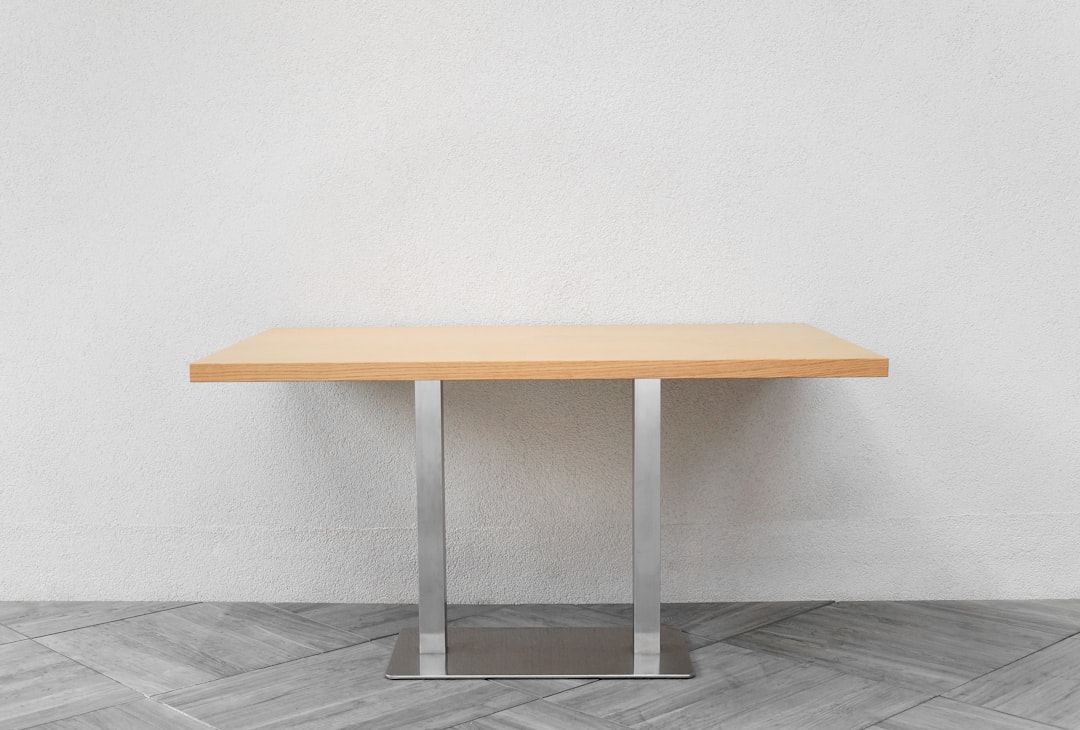
Article Overview
- Understanding the fundamental differences between hardwoods and softwoods
- How grain patterns and color affect furniture aesthetics
- Durability considerations for different furniture applications
- Sustainable sourcing and environmental responsibility
- Matching wood characteristics to your specific project needs
Selecting the appropriate wood species is one of the most critical decisions in creating custom furniture. The wood you choose influences not only the aesthetic character of the finished piece but also its durability, maintenance requirements, and suitability for specific applications. At Bilelia, we guide our clients through this selection process, ensuring the wood perfectly matches both their vision and practical needs.
Understanding Hardwoods versus Softwoods
The distinction between hardwoods and softwoods goes beyond simple hardness. These terms refer to the botanical origin of the wood rather than its physical properties, though hardwoods generally are denser and more durable.
Hardwood Characteristics
- Derived from deciduous trees that lose their leaves seasonally
- Generally denser grain structure and greater durability
- More resistant to wear and impact damage
- Wider variety of grain patterns and natural colors
- Better suited for furniture that experiences heavy use
- Typically more expensive due to slower growth rates
Popular hardwoods we work with include oak, walnut, cherry, maple, and ash. Each offers distinct visual characteristics and working properties. Oak, for instance, features prominent grain patterns and exceptional strength, making it ideal for dining tables and structural pieces. Walnut provides rich, dark tones and works beautifully for statement pieces and fine cabinetry.
Softwood Applications
While we primarily work with hardwoods for furniture, certain softwoods have their place in specific applications. Pine and cedar offer lighter weights and can be appropriate for decorative pieces, bedroom furniture, or items where the rustic character complements the design.
Grain Patterns and Visual Character
The grain pattern significantly influences a piece's visual impact. Understanding grain characteristics helps in making informed design decisions.

Types of Grain Patterns
- Straight grain creates clean, contemporary aesthetics
- Cathedral or flame grain adds dramatic visual interest
- Curly or quilted grain provides unique decorative appeal
- Birdseye patterns offer distinctive character in species like maple
- Interlocked grain creates ribbon-like striping effects
The sawing method affects grain appearance. Plain-sawn lumber displays the most dramatic cathedral patterns, while quarter-sawn produces straighter, more uniform grain with distinctive ray fleck patterns in species like oak. Rift-sawn offers the straightest grain with minimal figure.
Color Considerations and Natural Variation
Wood species display remarkable color diversity, from the pale cream of maple to the deep chocolate of walnut. Understanding natural color variations helps set realistic expectations and appreciate the uniqueness of each piece.
Color changes over time represent a natural characteristic of wood. Cherry, for example, darkens significantly with light exposure, developing a rich reddish-brown patina. Walnut, conversely, may lighten slightly. These changes add to the living quality of handcrafted furniture.
Durability and Functional Requirements
Different furniture applications demand different performance characteristics. Matching wood properties to intended use ensures longevity and satisfaction.
High-Traffic Applications
Dining tables, desks, and frequently used surfaces benefit from harder species with good dent resistance. Oak, maple, and ash excel in these applications, offering durability that withstands daily use while maintaining appearance.
Decorative and Display Pieces
Items with lower functional demands allow greater flexibility in wood selection. Here, visual appeal may take priority over extreme durability. Species with exceptional figure or unique grain patterns become viable choices.
Workability and Joinery Considerations
Different woods behave differently under tools and respond uniquely to various joinery techniques. As craftsmen, we consider these working properties when recommending species for specific designs.
- Some woods accept fine detail and intricate carving better than others
- Stability during and after construction varies by species
- Gluing properties affect joinery strength and reliability
- Finishing characteristics influence final appearance and maintenance
Sustainability and Environmental Responsibility
At Bilelia, we source exclusively from FSC-certified suppliers, ensuring our timber comes from responsibly managed forests. This commitment extends beyond environmental concerns to support sustainable forestry practices globally.

Sustainable Sourcing Priorities
- FSC certification verifying responsible forest management
- Preference for locally sourced species when appropriate
- Consideration of abundant versus threatened species
- Utilization of salvaged and reclaimed timber when suitable
- Supporting reforestation initiatives through supplier relationships
Matching Wood to Your Project
The ideal wood selection balances aesthetic preferences, functional requirements, budget considerations, and sustainability principles. During consultations, we discuss these factors comprehensively to identify the perfect species for your commission.
Consider the overall design aesthetic you wish to achieve. Traditional pieces often benefit from classic species like oak or cherry, while contemporary designs might call for the clean lines showcased by maple or the dramatic contrast of walnut. The existing decor and architectural character of the space also inform appropriate selections.
Working with Bilelia
Our workshop maintains samples of various wood species and finishes, allowing clients to experience options firsthand. Seeing and touching different woods helps clarify preferences and ensures confidence in selections. We encourage workshop visits where you can view current projects and discuss how different species perform in real applications.
The wood selection process represents just one aspect of creating bespoke furniture, but it fundamentally influences the outcome. Taking time to understand options and make informed choices ensures a finished piece that brings satisfaction for generations. Whether you gravitate toward the warm honey tones of oak, the sophisticated darkness of walnut, or the subtle beauty of ash, the right wood brings your vision to life while serving practical needs.
If you're considering a custom furniture commission and would like guidance on wood selection, we invite you to visit our workshop or contact us for a consultation. Our team brings decades of experience in matching wood species to project requirements, ensuring outcomes that exceed expectations.